

Some things do not come through on a phone.
You cannot see the site. You cannot watch how an operator talks about a number. You cannot walk the floor and ask the follow-up that only appears when you are standing there. That is what the meeting is for.
A PI Meeting puts a PI Expert™ who actually knows across the table from you, in person, prepared to answer questions that can change decisions with capital on the line. True experts. Custom-sourced, highly-vetted, and precision-matched. On six continents.
Primary Insight sources the expert, qualifies them before you travel, and matches them to what you need to find out. If you need to sit with a true expert, you are in the right place.
When a PI Meeting l is the right move.
Use a meeting when the nuance will not surface on the phone.
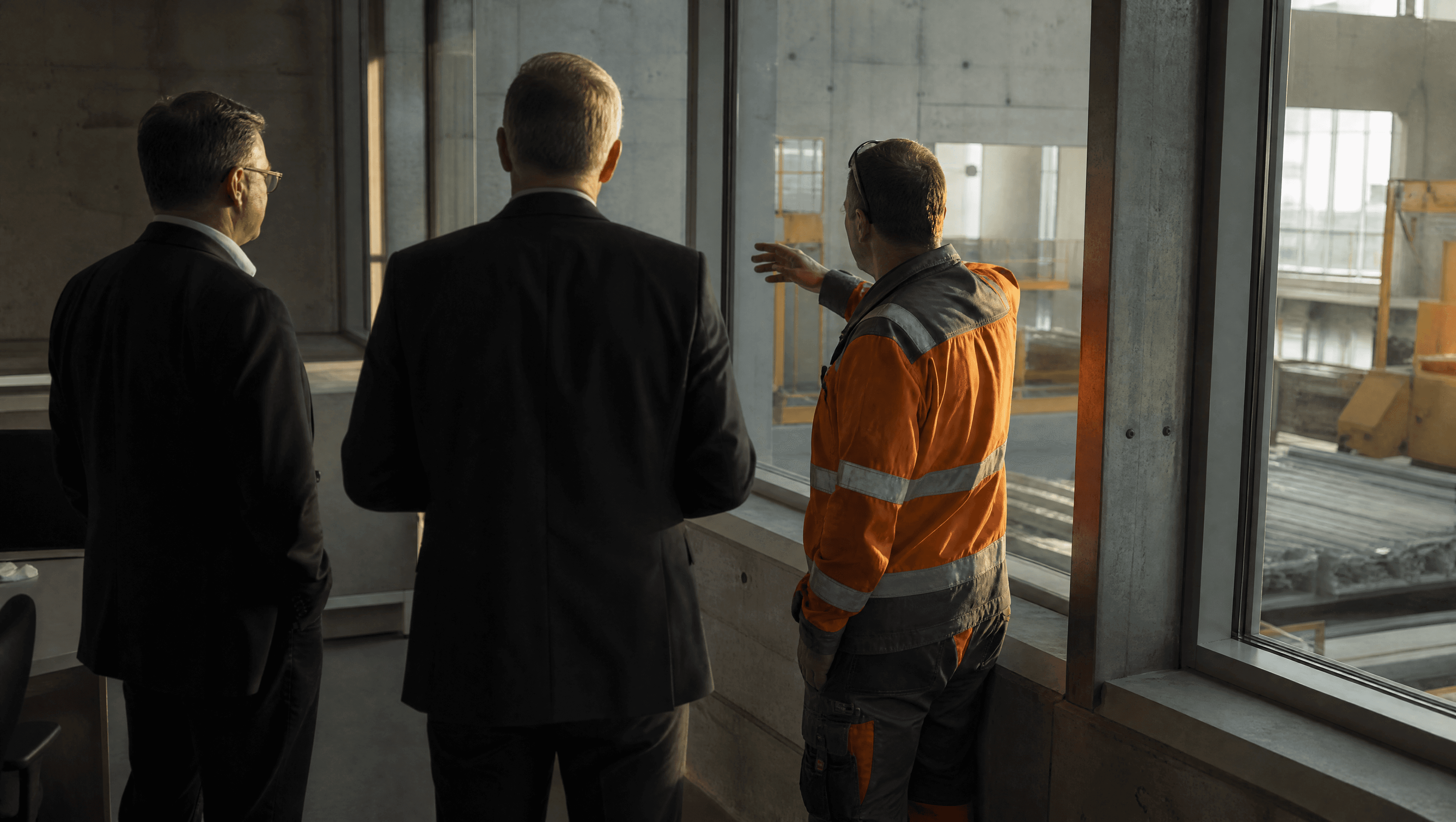
Walk a site, plant, clinic, or market the model depends on
Sit with a senior operator when presence changes the quality of the answer
Work a geography that does not travel well on a call
Pressure-test operating reality face-to-face before capital moves
A PI Meeting is the upgrade when being there is part of the insight.


Why a PI Meeting is different.
Most meetings optimize for the trip. PI Meetings optimize for the person in the room.
Custom-sourced for the site, market, and operating question
Highly-vetted before you travel
Precision-matched so the person across the table can actually show you the constraint
The format is face-to-face. The product is the nuance.
How a PI Meeting runs.
The travel is simple. The filter before you go is not.
You brief the question and the setting. Primary Insight sources the person who would actually know.
Every candidate completes a qualifying interview before anyone books a flight.
You meet the expert in person. After the meeting, we check whether the question was answered.
If it was not, the work does not close.

PI Meetings vs. other solutions.
A call is the default. Use a meeting when the brief needs presence.
Use a PI Call when one currently active expert can produce a decision-ready answer.
Use a PI Meeting when the nuance will not surface on the phone.
Use a PI Event when you need targeted people around one question in the same room.
Use a PI Survey when one conversation cannot map the sector.
Where teams use PI Calls.
"They do not just send a list of names and ask us to figure it out. The team understands the profile we need and keeps narrowing until someone actually fits."
Portfolio Manager
~$30B Hedge Fund




FAQ
When should we book a meeting instead of a call?
Book a meeting when the nuance will not surface on the phone. That is the whole test. A PI Call is the default for a reason. If one currently active expert can produce a decision-ready answer from a desk, use the call. Do not add travel because the meeting feels more serious. Presence is not automatically better. Presence is better when the question is physical, local, or too textured for a headset. Use a PI Meeting when you need to walk a site, plant, clinic, warehouse, or market the model depends on. Use it when a senior operator’s commercial detail changes if you are across the table instead of on a screen. Use it when the geography itself is part of the answer and will not travel well on Zoom. Use it when you need to see staffing, throughput, customer motion, or a constraint that people summarize badly on calls. The expensive mistake is not skipping the meeting. It is flying in to sit with the wrong person. If the expert is adjacent, dated, or just fluent, you still get the trip. You do not get the nuance. That is why PI Meetings use the same expert standard as PI Calls: custom-sourced, highly-vetted, precision-matched. The format changes. The filter does not. If you are unsure, start with a call. If the remaining question is something you still cannot hear well enough, convert the work to a meeting against the same brief.
Where can PI Meetings happen?
On six continents. The meeting is sourced against the market that matters to the brief, not against the nearest available expert. Primary Insight runs face-to-face work where the operating reality actually sits. That can be a plant office off the floor, a hospital meeting room, a high-floor conference room, a local operator’s office, or another setting the question requires. The point is not a branded venue. The point is putting you in the room with someone who still knows the work in that geography. This matters more than teams admit. A “global” expert who left the market five years ago is not a local meeting. A fluent generalist near the airport is not a local meeting. PI Meetings exist because some insight is site-specific: how the floor really runs, how the account really buys, how the region really behaves once you are past the deck. Primary Insight has operated to an institutional standard for 20+ years, with clients and experts active across six continents. The meeting product uses that coverage. You do not get a tour of cities. You get the person who belongs in the one room that answers the question. If the brief spans more than one market, do not force one meeting to do all of the work. Source the first meeting against the constraint that would change the decision. Add a second meeting or a call if a different geography is still open.
Are meeting experts held to the same standard as call experts?
Yes. Custom-sourced. Highly-vetted. Precision-matched. The qualifying interview happens before you travel. This is the part teams skip when they treat meetings as logistics. They book the flight, then accept whoever can make the date. That reverses the product. The date should follow the expert, not the other way around. Primary Insight sources the person for the specific research need. About 70 percent of experts are sourced new for the request rather than reused from a standing list. Every candidate then goes through a qualifying interview: a real conversation that tests whether they can speak to the subject now. Titles are not enough. Recollection is not enough. Confidence is not enough. If they cannot show current, usable knowledge, they are not put in front of you. Then the match has to be right for a meeting, not just “right enough for a call.” A meeting expert has to fit the site, the market, and the operating question. Close enough wastes more than an hour. It wastes the trip. That standard is the same system behind PI Experts and the PI Standard. The consultation is still yours. Primary Insight does not sit in the meeting and narrate. The work beforehand is what makes the time worth taking.
What if the meeting does not answer the question?
The engagement does not close. Primary Insight goes back to sourcing against the same brief. That is the Answer Commitment, and it applies to meetings the same way it applies to calls. The product is not a completed calendar hold. The product is the question getting answered. After the meeting, the debrief is simple. Did this actually resolve the issue you came for? If yes, the work can stop. If no, the file does not get marked done because the travel happened. The team returns to phase one: define who would know the remaining piece, source that person, qualify them, and continue. Sometimes the first meeting answers 80 percent and opens a narrower second question. That is useful, not failure. The next step might be another meeting, or it might be a PI Call now that the remaining issue can be handled remotely. The format can change. The brief stays the brief. This is one of the differences between Primary Insight and a network that treats the appointment as the deliverable. A trip can still be the wrong expert. PI’s job is to keep going until the nuance you booked the meeting for is actually in hand.
Can a meeting follow a call? Can a call follow a meeting?
Yes. The formats are meant to stack. A common path is a PI Call first. You get a decision-ready read from a currently active expert without leaving the desk. If that conversation proves the remaining question is physical or local, convert to a PI Meeting. You are not starting over. You are using the call to make the trip specific. The reverse also happens. A meeting surfaces a constraint on site. The next question is narrower and can be answered by a different expert on a call: a customer, a former operator in another region, a specialist on one input or one payer issue. Use the call. Do not book a second trip out of habit. Events and surveys can sit around meetings the same way. If one in-person conversation is not enough to map a sector, add a PI Survey. If you need several targeted people around one agenda, use a PI Event instead of stringing six disconnected trips together. Primary Insight is a quality-focused expert network, not a travel agency and not a database. Choose the format the question needs. Keep the expert standard identical across all of them.
Do we need a large commitment to start?
No. Start with the meeting the brief requires. Teams do not need a program, a minimum volume, or a bundled package to get a PI Meeting. If the question needs presence, request the meeting. The same matching, qualifying, and compliance standards apply whether this is the first engagement or one piece of a broader workstream. That flexibility matters because meetings are easy to over-buy. People assume that if they are going to use an expert network, they should pre-commit to a slate of travel. That produces itineraries. It does not produce better answers. Use a meeting when the nuance will not surface on the phone. Use a call when it will. Add more work only when the first question creates the next one. Primary Insight was developed inside Bear Stearns in 2005, retained by JPMorgan, and has operated to an institutional standard for 20+ years, with 800,000+ consultations and 2,700+ client organizations. The firm can support ongoing programs. It does not require one to begin. Compliance is treated as an operating requirement, not a checkbox after the fact. Experts are briefed on the boundaries of appropriate discussion before the meeting. Institutional-grade compliance with zero infractions is the record. Your legal and compliance teams get the documentation they need. One meeting is enough to see whether the format and the standard are what your team actually needed. Request the trial. Bring the question that will not survive a phone call.
